دوشنبه، خرداد ۲۰، ۱۳۹۸

یکشنبه، بهمن ۰۲، ۱۳۹۰
نسبت کاپ به ديسک
در قسمت قبلی، مطالب مقدماتی در مورد معاينه شبکيه عنوان شد که شايد بگوييد تکراری بود و ملال آور
بطور خلاصه، چند روش برای معاينه شبکيه در اختيار داريم که جز مورد اول (افتالموسکپی مستقيم)، بقيه موارد نياز به دستگاههای نسبتا گرانقيمت يا کاملا گرانقيمت دارد. اين موضوع باعث شده که در اکثر مواردی که اين دستگاهها در دسترس نيست، معاينه کامل شبکيه مورد سهل انگاری قرار گيرد. اين در صورتی است که بيماری آب سياه (گلوکوم) يکی از مواردی است که نياز به توجه بيشتری از جانب اپتومتريستها دارد و حتی در نبود امکانات مالی قوی نيز ضروری است که اقدامات کافی صورت پذيرند. لذا در اين قسمت، قدری در مورد کارآيی افتالموسکپ مستقيم در تشخيص يکی از عمده ترين عوامل نابينايی گفتگو خواهيم کرد، اما با در نظر گرفتن جنبه عملی اين کار.
قطعا موافق هستيد که حتی با يک افتالموسکپ معمولی هم می توان سر عصب باصره را به راحتی بررسی کرد. حتما هم اطلاع داريد که برای شناسايی گلوکوم، شکل و شمايل سر عصب باصره يکی از پنج فاکتور اصلی به شمار می رود. سوال اين است که آيا همه ما اپتومتريستها برای همه مراجعينمان اين معاينه ساده را انجام می دهيم؟ تا اينجا گفتيد بله، بله و بله. جواب سوال بعدی چيست؟ آيا همه ما نسبت کاپ به ديسک را در پرونده بيمار ثبت می کنيم؟ اگر واقعا اين کار را می کنيد که بسيار عالی است ولی شخصا مطبهای زيادی را ديده ام که پرونده ای برای بيمار تشکيل نمی دهند، تا چه رسد به ثبت نسبت کاپ به ديسک. نکته ديگر اينکه اگر هم نسبت کاپ به ديسک را ثیت می کنيد، آيا ارزيابی شما از نسبت کاپ به ديسک با ارزيابی بقيه اپتومتريستها يکسان است؟ جواب به اين سوال به احتمال قريب به يقين يک نه قاطع است. همين اخيرا در آمارگيری ساده ای که از پنجاه اپتومتريست در استراليا به عمل آمد، تفاوتهای قابل توجهی در نتايج مشاهده شد و کلا اين مشکل نه به ايران اختصاص دارد و نه به اپتومتری. يکی از مشکلات تخمين زدن نسبت کاپ به ديسک کلا سابجکتيو بودن آن است و لذا نياز به تمرين و مقايسه نتايج حاصله از همکاران دارد و اصولا يکی از کاربردهای ابزارهای تصويربرداری نيز همين است که ارزيابی نسبت کاپ به ديسک را از حالت شهودی خارج می کنند. به عبارت ديگر، با عکسبرداری از سر عصب باصره در هر بار مراجعه بيمار (عکسبرداری سالانه يا دو سال يکبار) می توانيد تصاوير را مقايسه نموده و هر گونه تغييری را شناسايی نماييد. علاوه بر اين، اگر فردی غير از خود شما هم عکسها را ببيند، می تواند نسبت کاپ به ديسک دو سال پيش و امسال را مقايسه نمايد.
در ذيل چند نمونه تصوير که از سر عصب باصره برايتان تدارک ديده ام تقديم می گردد و اميدوارم همکاران اعلام نظر کنند و تقريبهای خود را در قسمت نقطه نظرها اعلام فرمايند تا همگی ارزيابيهايمان را با هم مقايسه و استاندارد کنيم.
ضمنا لازم به يادآوری است که بهتر است قبل از پاسخگويی به اين تمرين، سری به کتابهايتان بزنيد و روش صحيح ذکر نسبت کاپ به ديسک را مرور فرماييد، شايد که آن روشی که در دانشگاه آموخته ايد بی نقص نباشد.
تصوير شماره يک


تصوير شماره دو

تصوير شماره سه

تصوير چهارم
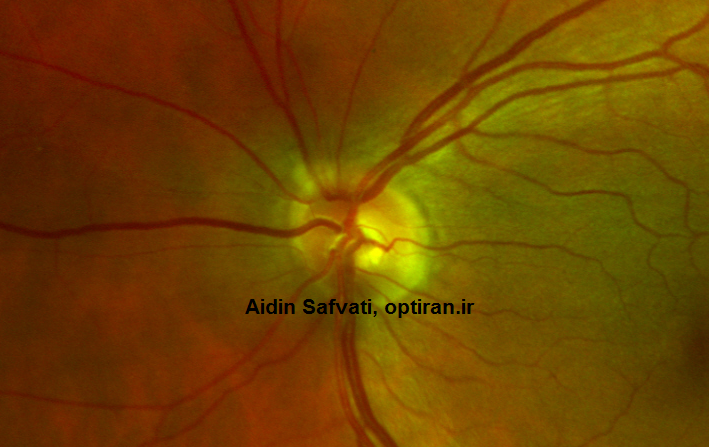
تصوير پنجم

تصوير ششم

تصوير هفتم

تصوير هشتم

تصوير نهم

تصوير دهم

شنبه، دی ۱۷، ۱۳۹۰
يکی از عوامل اصلی نابينايی در جهان: معاينه نشدن شبکيه در معاينات ادواری چشم

با سلام و عرض پوزش از غيبت طولانی،
قصد دارم مجموعه ای از مطالب را در مورد شبکيه تقديم نمايم. توضيح اينکه تمامی مطالبی که در اين مجموعه ارائه خواهد شد، منجمله تمامی تصاوير، از هيچکجای اينترنت کپی برداری نخواهد شد و صرفا نوشته ها و تصاوير تهيه شده توسط اينجانب خواهد بود. لذا کپی برداری و استنساخ از بخش يا تمامی آن بدون کسب مجوز کتبی از اينجانب و بدون قيد نام منبع (دکتر آيدين صفوتی و وبلاگ اپتيران) غيرقانونی و غيرشرعی می باشد.
شايد بد نباشد اين سوال را به رای گيری بگذاريم: برای چه درصدی از مراجعين مطبتان، معاينه کامل فاندوس را اجرا می کنيد؟
برای پاسخ گفتن به اين سوال شايد صحيحتر اين باشد که ابتدا تعريفی داشته باشيم از عبارت "معاينه کامل فاندوس". معاينه کامل فاندوس مستلزم مشاهده و بررسی قسمتهای محيطی شبکيه و مستند سازی مشاهدات است.
برای اين مهم، می توان از ابزارهای مختلفی استفاده نمود:
الف) افتالموسکپ معمولی (افتالموسکپ مستقيم). در صورتيکه از اين وسيله استفاده شود، معاينه فاندوس بدون بکارگيری قطره های ديلاته کننده مردمک، معاينه کاملی نيست چرا که قسمتهای محيطی شبکيه از ديد پنهان می ماند. قطره تروپيکاميد نيم يا يک درصد (ميدرياسيل) برای ديلاته کردن مردمک بکار گرفته می شود. قبل از بکار گرفتن قطره، اندازه گيری و ثبت فشار چشم و بررسی زاويه اتاق قدامی الزامی است. در آزمونهای بالينی اپتومتری (امتحانات بورد و امتحانات پايان دوره اپتومتری)، اگر قبل از ريختن قطره در چشم، فشار چشم و عمق اتاق قدامی را ارزيابی نکنيم، بلافاصله از ادامه دادن امتحان بازداری می شود. در مطب نيز اگر بدون اجرای دو کار فوق، اقدام ريختن تروپيکاميد بکنيد و عوارضی برای بيمار پيش بيايد، بيمار می تواند بر عليه شما اقامه دعوی کند. برای فاندوسکپی کامل، ابتدا فشار چشم را اندازه می گيريم - سپس با اسليت لمپ (تست ون هريک) و يا با چراغ قوه معمولی (تاباندن نور در منطقه لمب، تحت زاويه عمود بر محور بينايی)، از باز بودن زاويه اتاق قدامی اطمينان حاصل می کنيم. سپس قطره را می ريزيم و پس از 20 دقيقه، اقدام به افتالموسکپی می کنيم. در صورت نياز به بررسی قسمتهای کاملا دور از ديسک و فووه آ، استفاده از اسکلرال ديپرسور ضروری است. پس از خاتمه معاينه نيز، فشار چشم را دوباره اندازه گيری و ثبت می کنيم. استفاده از فشارسنجهای غير تماسی امروزه بسيار متداول شده و در مطبهای اپتومتری کاملا شايع است. به لحاظ اينکه تماسی با چشم حاصل نمی شود، اين دستگاه برای کسانی که علاقه ای به تونومتر گلدمن ندارند، بسيار مفيد است اگر چه ابدا دقت عمل تونومتر گلدمن را ندارد. در برخی مدلهای امروزی اتورفراکتومتر، تونومتری غير تماسی و پاکی متری هم بطور همزمان انجام می شود و در مراکز اپتومتری، معمولا اجرای اتورفراکشن، اتوکراتومتری، تونومتری و پاکی متری با کمک يک دستگاه واحد و توسط دستياران اپتومتری صورت می پذيرد و سپس در صورت لزوم، اپتومتريست يافته های تونومتری را با کمک تونومتر گلدمن و يا تونومتر دستی پورکنژ (پورکينژ هندهلد تونوميتر) بازبينی می کند.
ب) استفاده از اسليت لمپ و عدسی روبی و يا عدسی ولک:
جزئيات اين روش را می توانيد در منابع متداول اپتومتری مطالعه فرماييد. در اينجا نيز، ثبت يافته های تونومتری و عمق اتاق قدامی قبل و بعد از معاينه فاندوس ضروری است.
پ) استفاده از افتالموسکپ غير مستقيم:
اين مورد را نيز در منابع خواهيد خواند و به منظور اجتناب از ذکر مطالب تکراری، از شرح آن پرهيز می شود
ت) استفاده از دوربينهای عکاسی مخصوص فاندوس:
اين دستگاهها عمدتا معروف به دوربينهای غيرميدرياتيک هستند ولی واقعيت امر اين است که در فقدان عامل ديلاته کننده مردمک، کارآيی اين دوربينهای عکاسی به شدت افت می کند و معاينه بدون قطره عملا محدود به سر عصب باصره و فووه آ است. ضمنا عکسبرداری از قسمتهای محيطی شبکيه معمولا مستلزم تغيير دادن زاويه نگاه بيمار به جهات هشتگانه نگاه است و تعدد عکسبرداری به مفهوم تعدد بکارگيری فلاش است. مزيت اين دستگاهها در سرعت عمل آنها در مستند سازی وضعيت قسمتهای مرکزی شبکيه است.
ادامه مطلب را در قسمتها بعدی مطالعه بفرماييد
چهارشنبه، اسفند ۲۵، ۱۳۸۹
هفته ای که پشت سر گذاشتيم، هفتۀ جهانی گلوکوم يا آب سياه بود
ششم لغايت دوازدهم ماه مارس به عنوان هفتۀ جهانی بيماری گلوکوم يا آب سياه نامگذاری شده است.
اين بيماری در کشورهای به اصطلاح پيشرفته، عامل شماره يک نابينايی به شمار می رود. اين در حالی است که نيمی از افراديکه مبتلا به اين بيماری هستند، حتی پس از معاينه در کشورهای پيشرفته، به اشتباه سالم تشخيص داده می شوند و با مخفی ماندن بيماری، عوارض جبران ناپذيری در بينايی فرد مبتلا بودجود می آيد. يکی از اهداف هفته گلوکوم بالا بردن آگاهی عمومی و آشنا کردن مردم با اين بيماری چشمی است و هدف ديگر نيز بهبود بخشيدن روشهای تشخيصی برای شناسايی و درمان آن است. جالب اينکه با استفاده از روشهای تشخيصی نوين، اين بيماری را می توان چند سال قبل از شروع علايم آن شناسايی و به طور کامل درمان نمود يا حداقل مانع از اثرگذاری آن بر بينايی شد.
لازمۀ موفقيت در اين کار (پيشگيری از عوارض گلوکوم) چيزی نيست جز به روز کردن اطلاعات نيروهای علمی کشور و بالابردن آگاهی مردم از اين بيماری.
پنجشنبه، مهر ۲۲، ۱۳۸۹
ايکاش بيش از اين در توان داشتيم، يا در همّت
روز جهانی مبارزه با نابينايی
بر همه اپتومتريستهای جهان گرامی باد
WORLD SIGHT DAY
October 14, 2010
Join the countdown to the year 2020
امروز، پنجشنبه چهاردهم اکتبر، روز جهانی بينايی است
قريب به نه سال از گردهمايی که با همت گروهی 50 نفره از دانشجويان اپتومتری و با مشارکت جمعی از اساتيد دپارتمانهای اپتومتری دانشگاههای ايران برگزار شد و پروژه بينايی 2020 را در ايران معرفی نمود، گذشت. موضوع گردهمايی آنقدر مهم بود که توجه سازمان نظام پزشکی جمهوری اسلامی ايران و حتی سازمان بهداشت جهانی را به خود جلب کرد.
افرادی در پشت صحنه بودند که با کمکهای ناگهانی و وعده داده نشدۀ خود، مشکلات را حل کردند، دوستی با دوستداری کامل، نقدينگی موجود در بضاعتش را برای پيشبرد کار، در بين گذاشت، ديگری سالن کنفرانس را در اختيار گذاشت. عده کثيری هم از وقت و توان، هر چه داشتند به اپتومتری ايران تقديم کردند.
در جهان، امروز تعداد زيادی از اپتومتريستها، عايدی امروز مطب خود را به موسسات عام المنفعۀ مرتبط با مبارزه با نابينايی میدهند. اپتومتريست ها در مدارس و موسسات، امروز در مورد بيماريهايی که منجر به نابينايی می شوند، سخنرانی می کنند. اعضای هيات علمی دانشکده ها و دپارتمانهای اپتومتری، امروز در رسانه های عمومی از نابينايی و اهميت مبارزه با آن، سخن می گويند و سازمان بهداشت جهانی و کنفرانس سلامتی چشم سازمان ملل نيز بار ديگر بر اهميت عيوب انکساری (نمرۀ عينک) به عنوان يکی از مهمترين عوامل نابينايی، تاکيد می ورزند.
توضيح اينکه از نظر مسئولين و متوليان جهانی بهداشت، عيوب انکساری باعث نابينايی هستند چون افراد مبتلا به عيوب انکساری تا زمانيکه عينک نداشته باشند، قادر به استفاده کامل از بينايی خود نيستند. کسانيکه نياز مبرم به عينک دارند و بدون عينک قادر به انجام دادن کارهای چشمی روزمره خود نيستند، از نظر قوانين بين المللی در زيرگروه نابينايان قرار می گيرند، اگر امکان استفاده از عينک را نداشته باشند. به عنوان مثال، کشاورزی که با نمره عينک سه ديوپتر منفی، اشياء دورتر از 30 سانتيمتر را واضح نمی بيند، بدون عينک قادر به رانندگی تراکتور و يا انجام دادن بسياری از کارهای ساده تر متداول در کشاورزی نيست. چنين فردی، از نظر قانونی، دچار نابينايی است و مجبور است شغلی ديگر را به عهده بگيرد و لذا از تواناييهای واقعی خودش محروم می ماند و اقتصاد کشور، يک نفر از نيروهای کاری خود را از دست می دهد. تمامی اين عوارض، با يک عينک ساده می توانند مرتفع شوند. در حاليکه، کشاورز مذکور شايد اگر عينکی را به صورت هديه هم دريافت کند، آنرا بفروشد تا بتواند هزينه های مهمتری را پرداخت نمايد.
عيوب انکساری بدين لحاظ، شايعترين عامل نابينايی هستند در حاليکه با کمترين هزينه می توان عوارض اين اختلالات را رفع کرد
چهارشنبه، مهر ۲۱، ۱۳۸۹
يادداشت هفدهم: روش استاندارد معاينه با اسليت لمپ
در طی سالهايی که در اينجا سپری شد، چندين بار پيش آمد که شاهد معاينه چشم همکاران اپتومتريست باشم. بارها هم خودم مورد معاينه قرار گرفتم (شرکت در پروژه های تحقيقاتی مرتبط با کنتاکت لنز). يکی از نکات جالب توجّه اين بود که تقريباً همه معاينه کننده ها از يک توالی خاصّ و مشخصی در معاينه با اسليت لمپ پيروی می کردند. يعنی مجموعه ای از حرکتها و روشهای نورپردازی و حتی سوالها و راهنمايی های يکسانی را مطرح می کردند که احساس می شد از الگوی واحدی پيروی می کنند. اين الگوی واحد را مدتها دنبالش می گشتم و خوشبختانه در کتاب کارلسون موجود است و به شرح زير می باشد:
همه می دانيم که قبل از هر چيز بايد ستگاه را مناسب قد فرد مورد معاينه تنظيم می کنيم طوری که مجبور نباشد خود را کش بياورد و يا قوز کند. اما کاری که بايد حتی قبل از تنظيم ارتفاع دستگاه انجام شود، پاک کردن جای پيشانی و جای چانه در دستگاه است. اين کار بايد با پنبه آغشته به الکل يا با دستمالهای يکبار مصرف مرطوب که الکل دارند انجام می شود. بنابراين، گام اول در اجرای معاينه با اسليت لمپ، پاکسازی دستگاه در حضور بيمار است. پنبه الکلی را چند بار روی قسمتهايی از دستگاه که در تمای با پوست بيمار خواهد بود می کشيم و سپس با دستمال کاغذی خشک می کنيم و دستمال کاغذی ديگری را روی جای چانه ای دستگاه می بنديم. کافی است دستمال کاغذی را روی جای چانه ای پهن کنيم و دو سر آنرا در زير جای چانه ای دستگاه به هم برسانيم و طوری بپيچانيم که کل دستمال روی جای چانه ای محکم شود و به راحتی نيافتد.
من مطبهای زيادی را در ايران ديده ام و اينکار را نديده ام که برای هر بيمار انجام بدهند. دوستی می گفت که اين نکته تا به حال چند نفر از داوطلبان امتحانات بورد را به دردسر انداخته است.
يادداشت بعدی، مراحل عملی معاينه با سليت لمپ را شرح می دهد. قصد دارم از توصيف تکنيکهای نوری پرهيز کنم. ولی اگر نکته ای در نظر داريد، لطفاً اطلاع دهيد - از طريق آدرس ايميل اینجانب
اشتراک در:
پستها (Atom)